The Story Behind the Art
Client
Perkins Eastman
Location
Kalamazoo, Michigan
About the Project
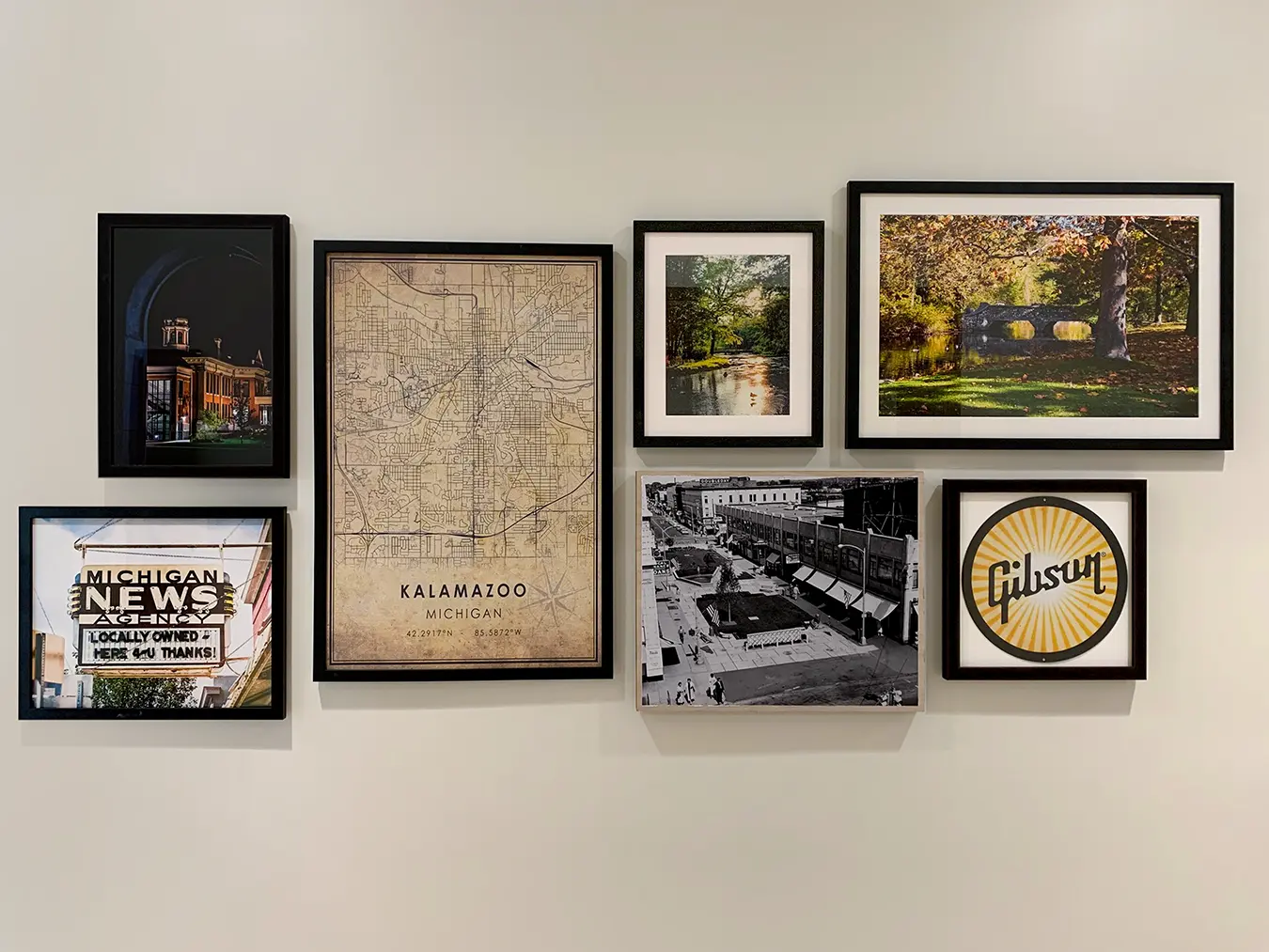
The art program at Heritage Community of Kalamazoo draws directly from the community’s story and shared history, weaving together past and present through thoughtful visual details. Our art consultants researched Kalamazoo’s local culture, neighborhoods, and traditions to create an artwork program that feels authentic and personal. Through timeless details, hometown inspirations, and meaningful mementos, the collection reflects the local narrative and deepens the residents’ connection to the area.
Made in Kalamazoo
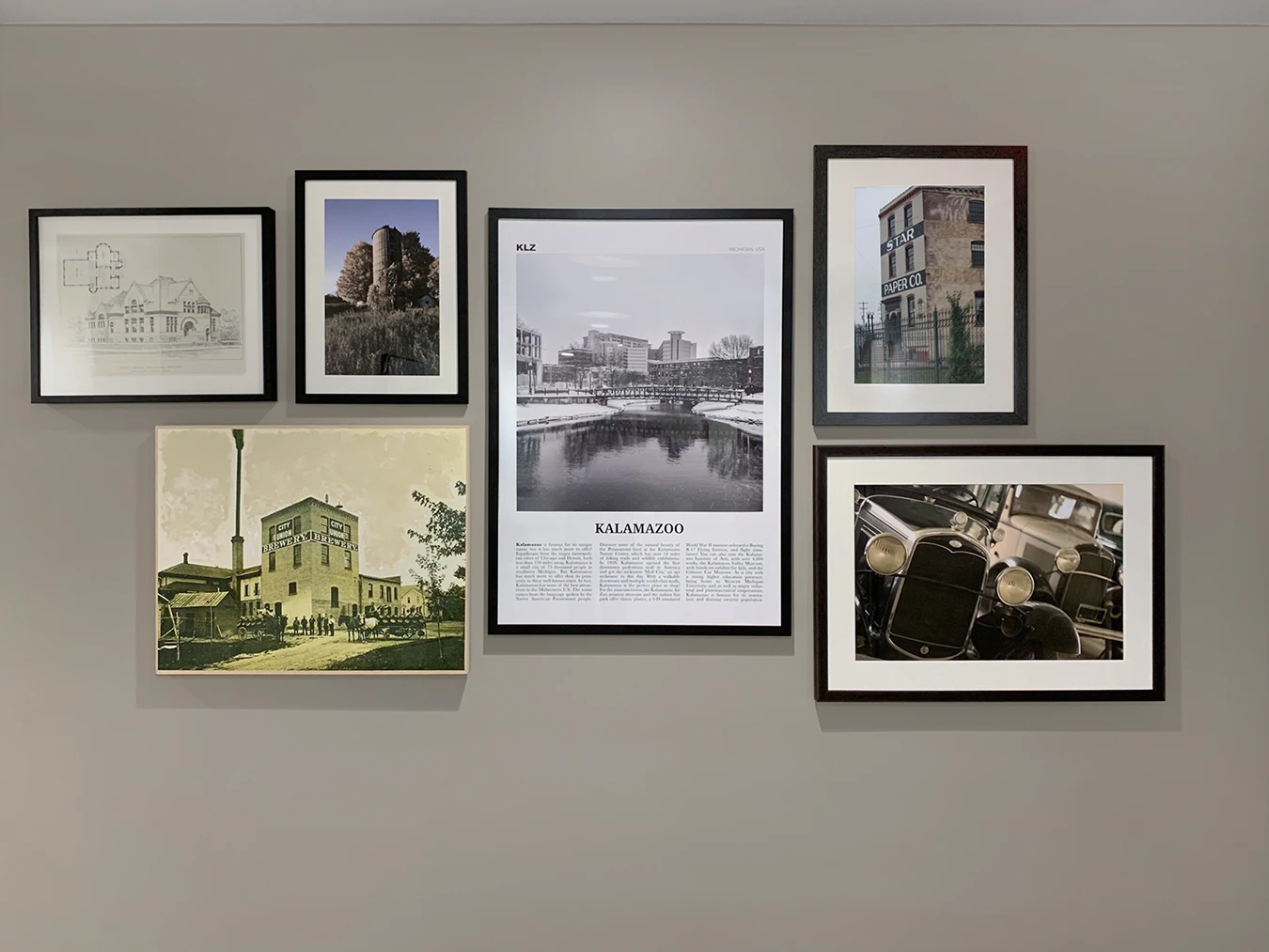
A framed gallery wall showcases Kalamazoo’s inventive spirit and the local trades that laid the city’s foundation. Local businesses such as the Star Paper Company and the City Union Brewery shaped the city’s economy and remain an important part of its story today. These details connect to residents’ own stories, linking generations of families and friends who lived, worked, and gathered in these familiar places.
Memories Through Music
Kalamazoo’s inventive energy extended into the music industry, composing a chapter all its own. The city turned out instruments and inspired songs that reached well beyond Michigan. Several pieces in the art collection pick up that thread, drawing on names and melodies residents are likely to recognize.
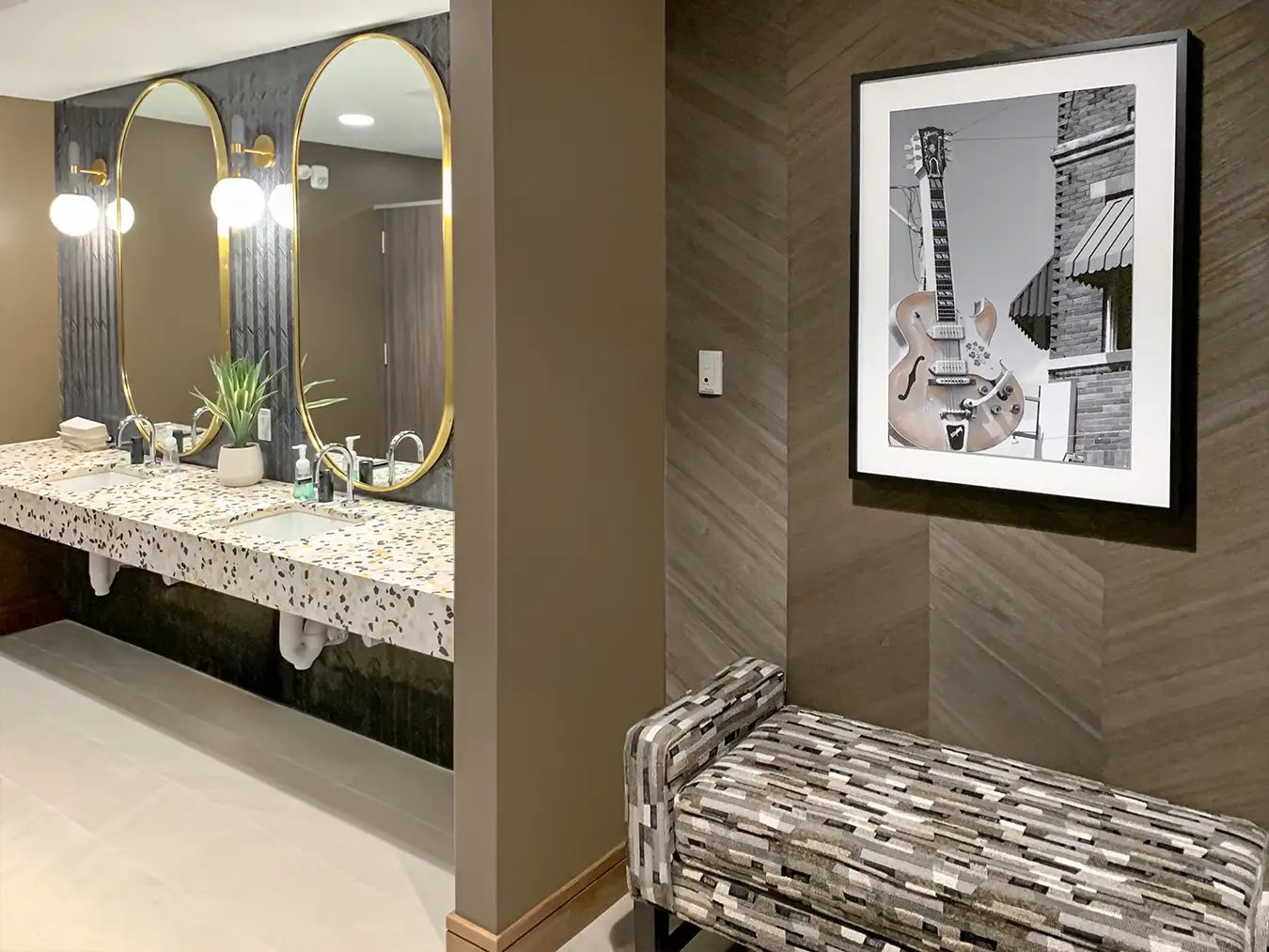
A black-and-white photograph with subtle color embellishments celebrates Gibson Guitar, founded in Kalamazoo in 1902 and still one of the most recognized names in American instrument making. The factory operated here for decades, and for many families in town it was a workplace before it was a household name.
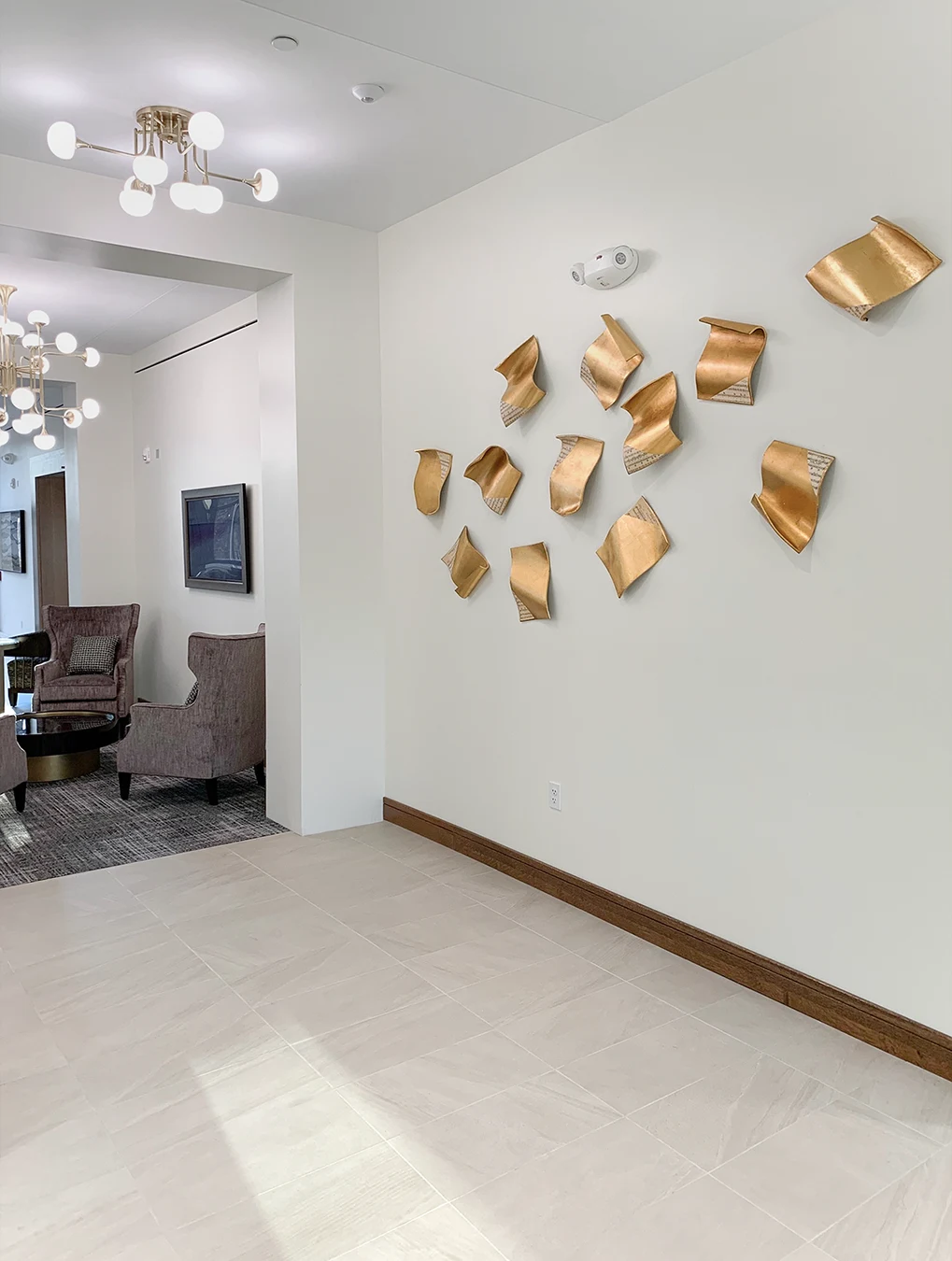
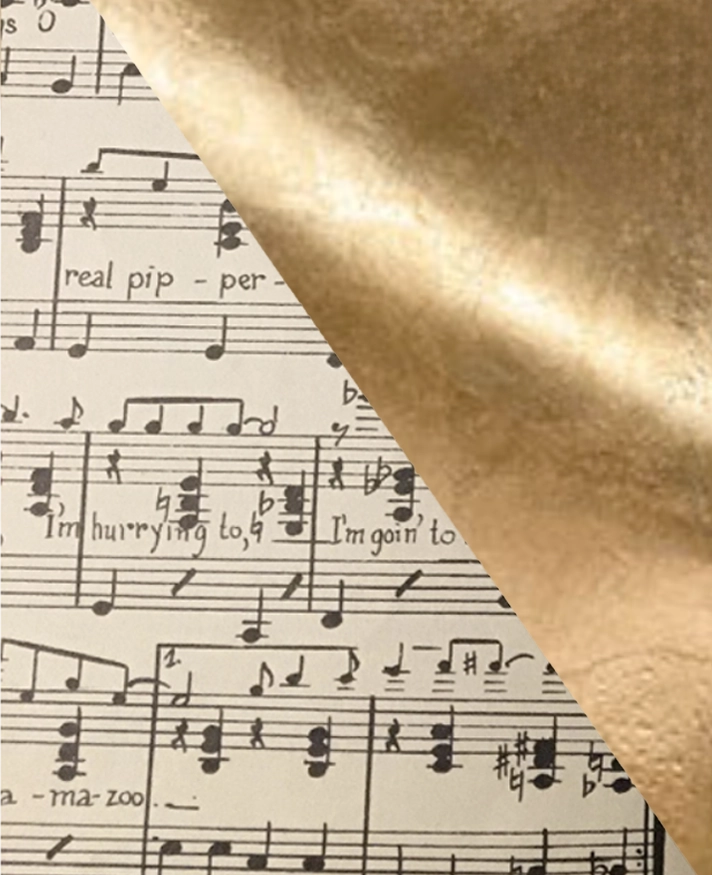
A series of gilded pages appears to float in midair, with cutouts in the gold leaf revealing portions of sheet music from the Glenn Miller Orchestra’s 1942 hit, “I’ve Got a Gal in Kalamazoo.” The song reached the top of the charts and put the city’s name in front of a national audience. For residents who were children then, the tune may still be a familiar one.
Campus Connections
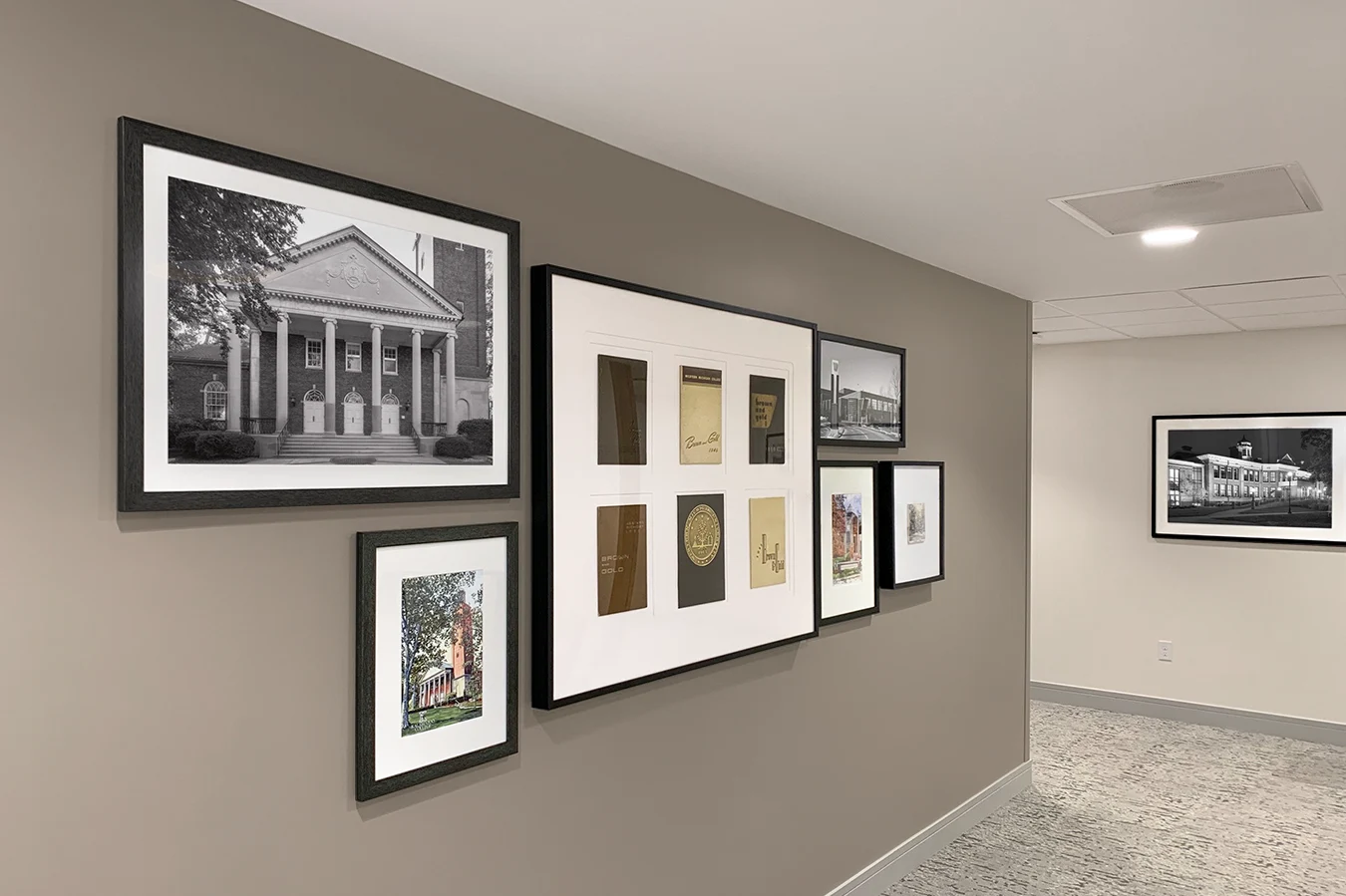
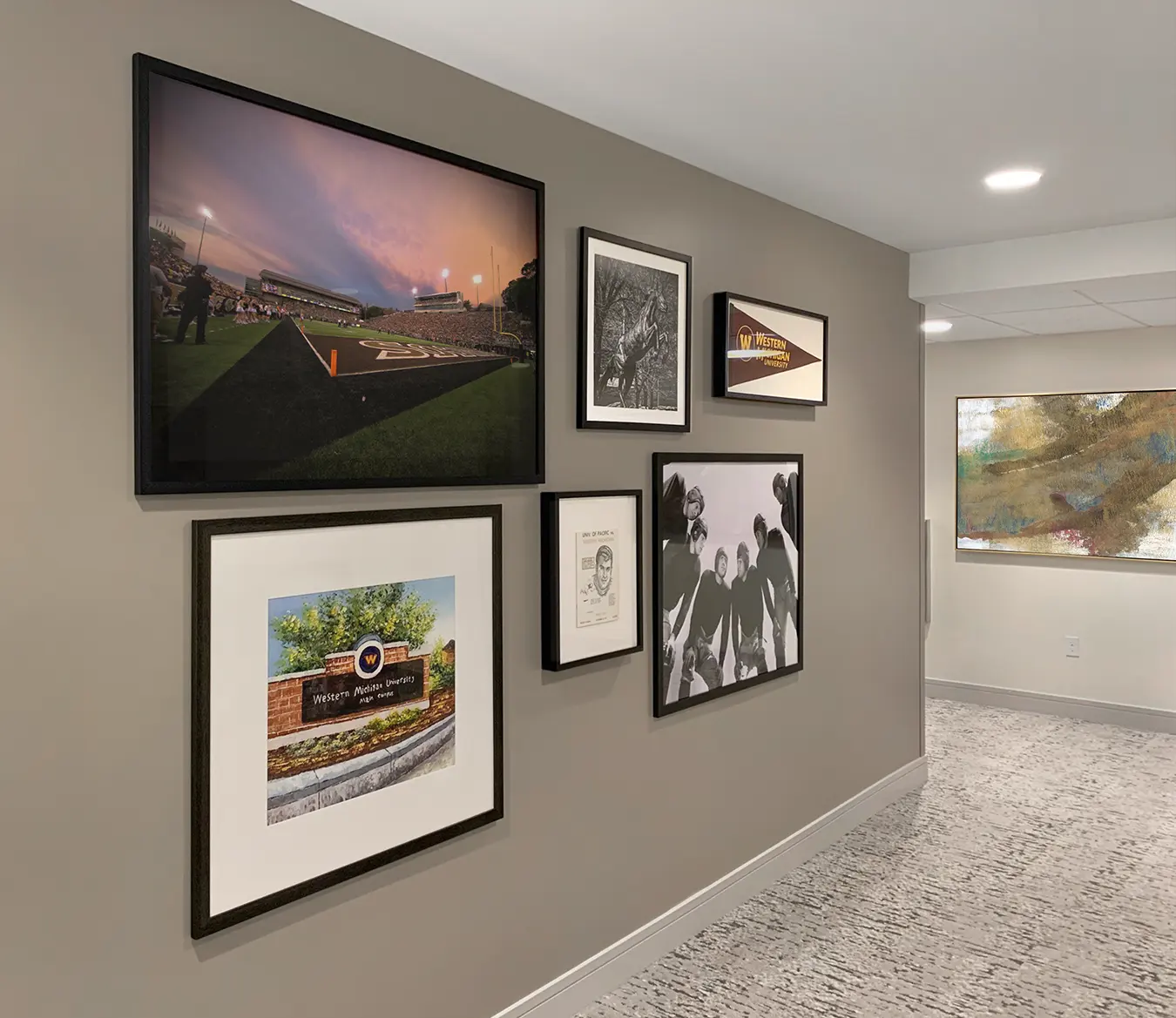
Another page in Kalamazoo’s story unfolds through Western Michigan University. Yearbook covers from classes across the decades and a framed pennant reflect the kinds of mementos residents may still have among their belongings today. These keepsakes, alongside campus photographs and other memorabilia, honor Western Michigan University’s long-standing role in the community. Whether tied to alumni experiences, athletic traditions, or family connections, these displays spark conversation, encouraging residents to bond over shared stories and community pride.
The Details That Define an Era
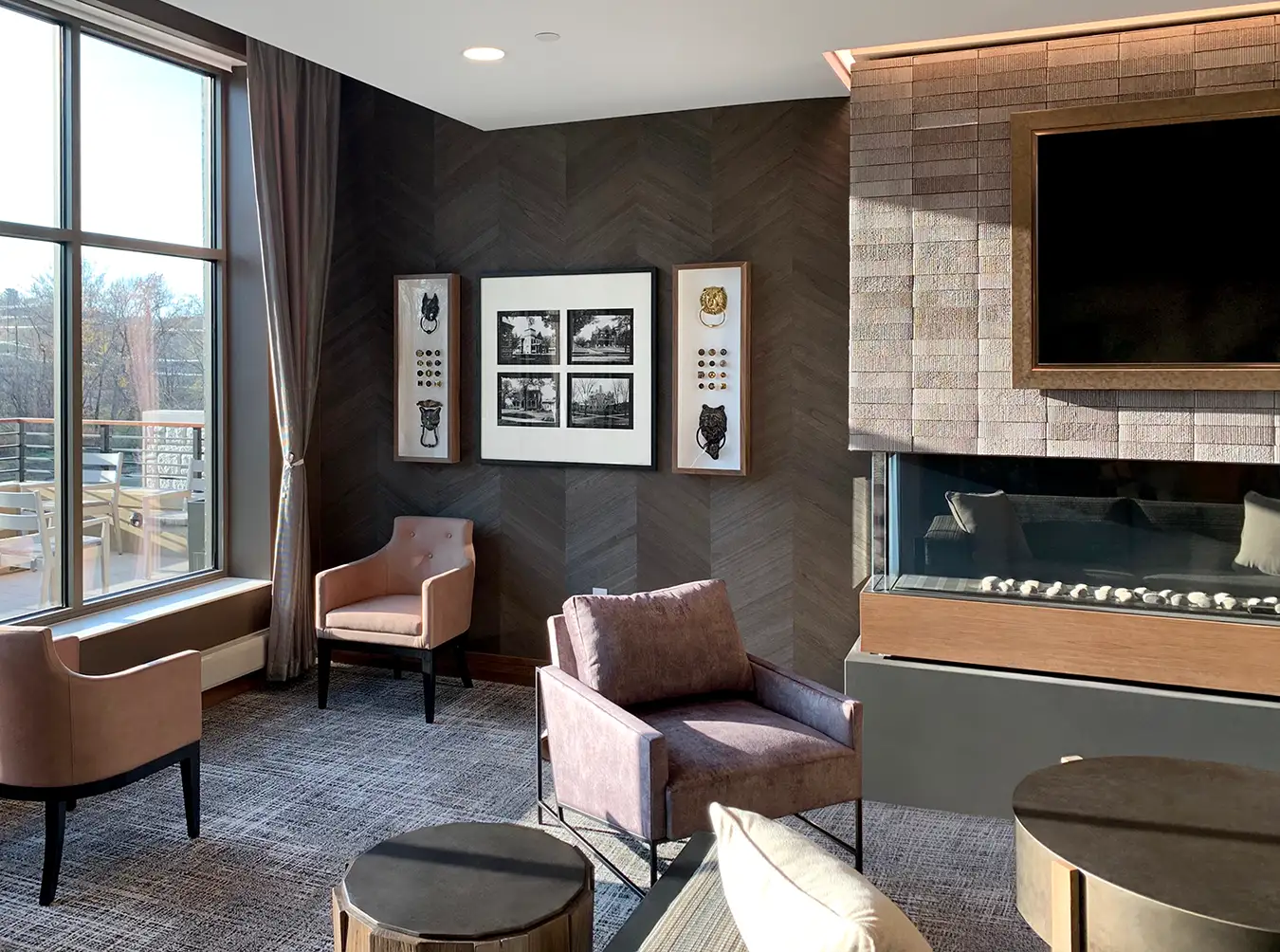
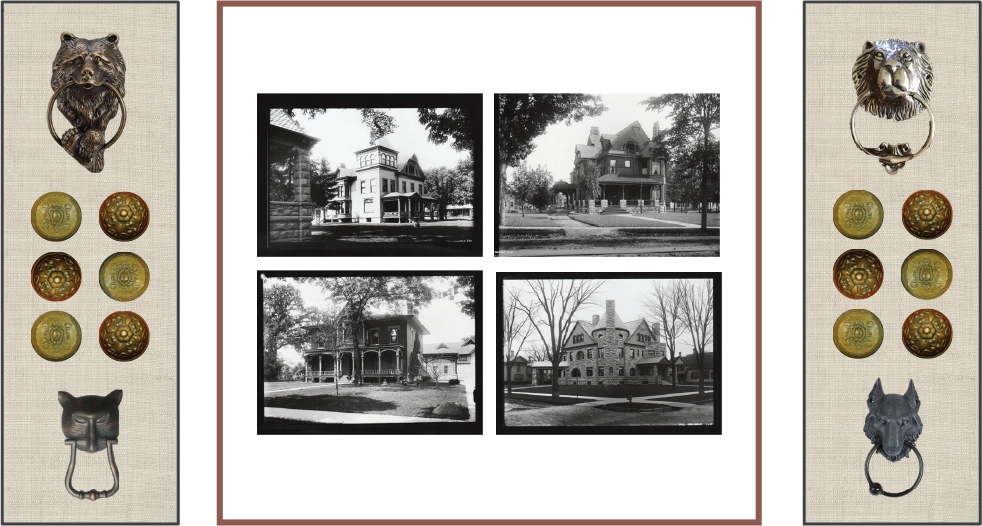
In this custom arrangement, antique door knockers and drawer pulls are presented as examples of lasting craftsmanship, with ornate forms and decorative details that reveal the care once given to even the most functional pieces.
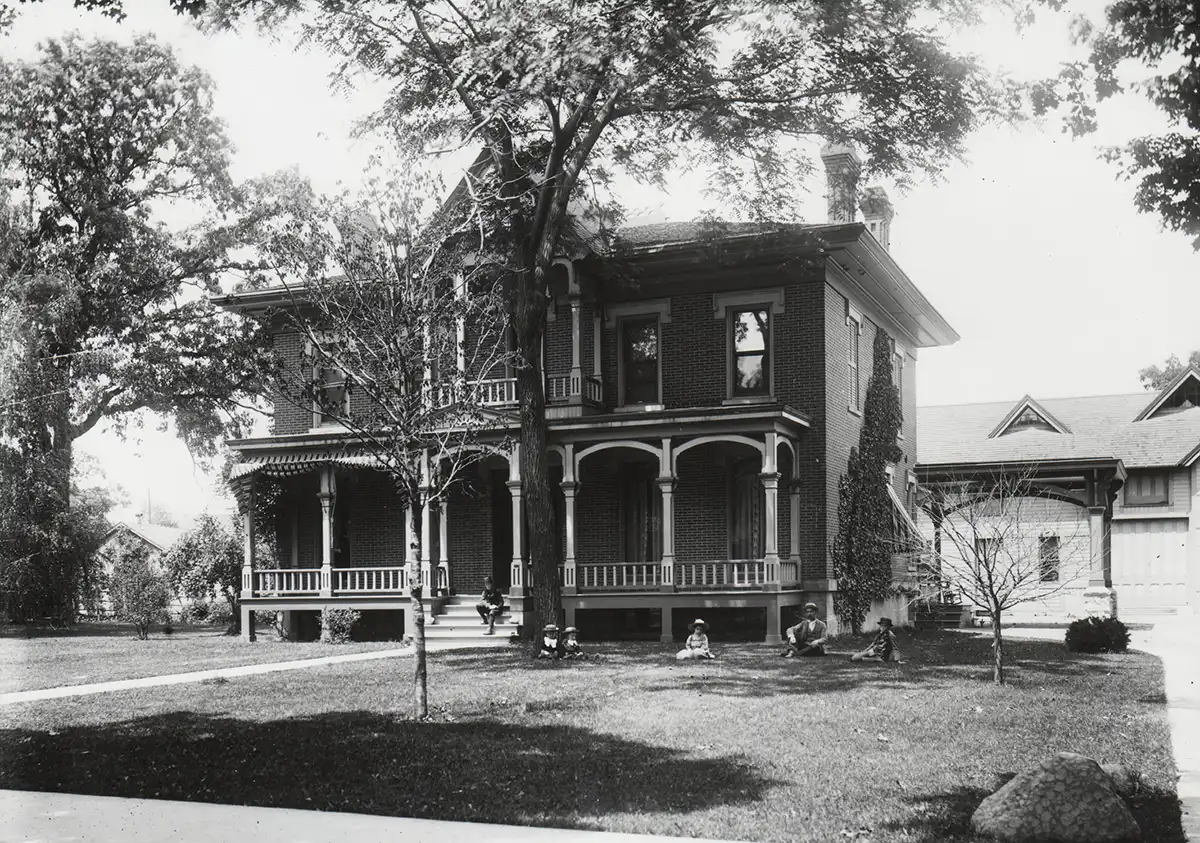
At the center of the arrangement, photographs by Kalamazoo photographer Wallace S. White depict local homes and neighborhoods from the city’s early years. Their inclusion expands the focus from the craftsmanship of individual objects to the broader design sensibility of the period.
Together, the arrangement speaks to an appreciation for quality, permanence, and attention to detail. By elevating elements that might otherwise be overlooked, the display honors the artistry of everyday life and the qualities that define an era.
The Routes That Connect Us
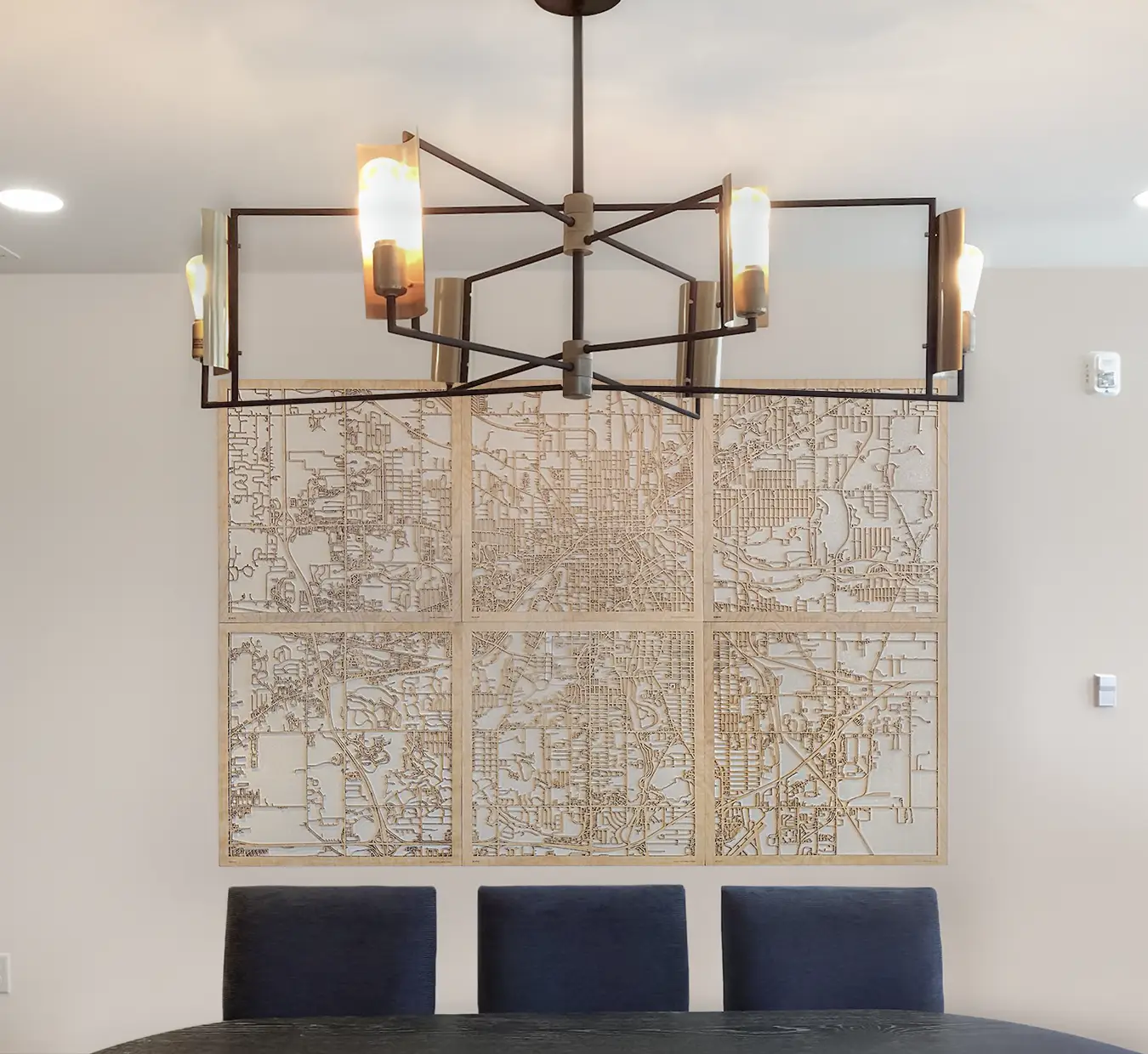
Kalamazoo’s streets have long connected neighborhoods, businesses, and gathering places across generations. A laser-cut wooden map transforms the city’s road network into a layered composition of line, pattern, and form. Its intricate design offers a new perspective on the routes that shape everyday movement through Kalamazoo.
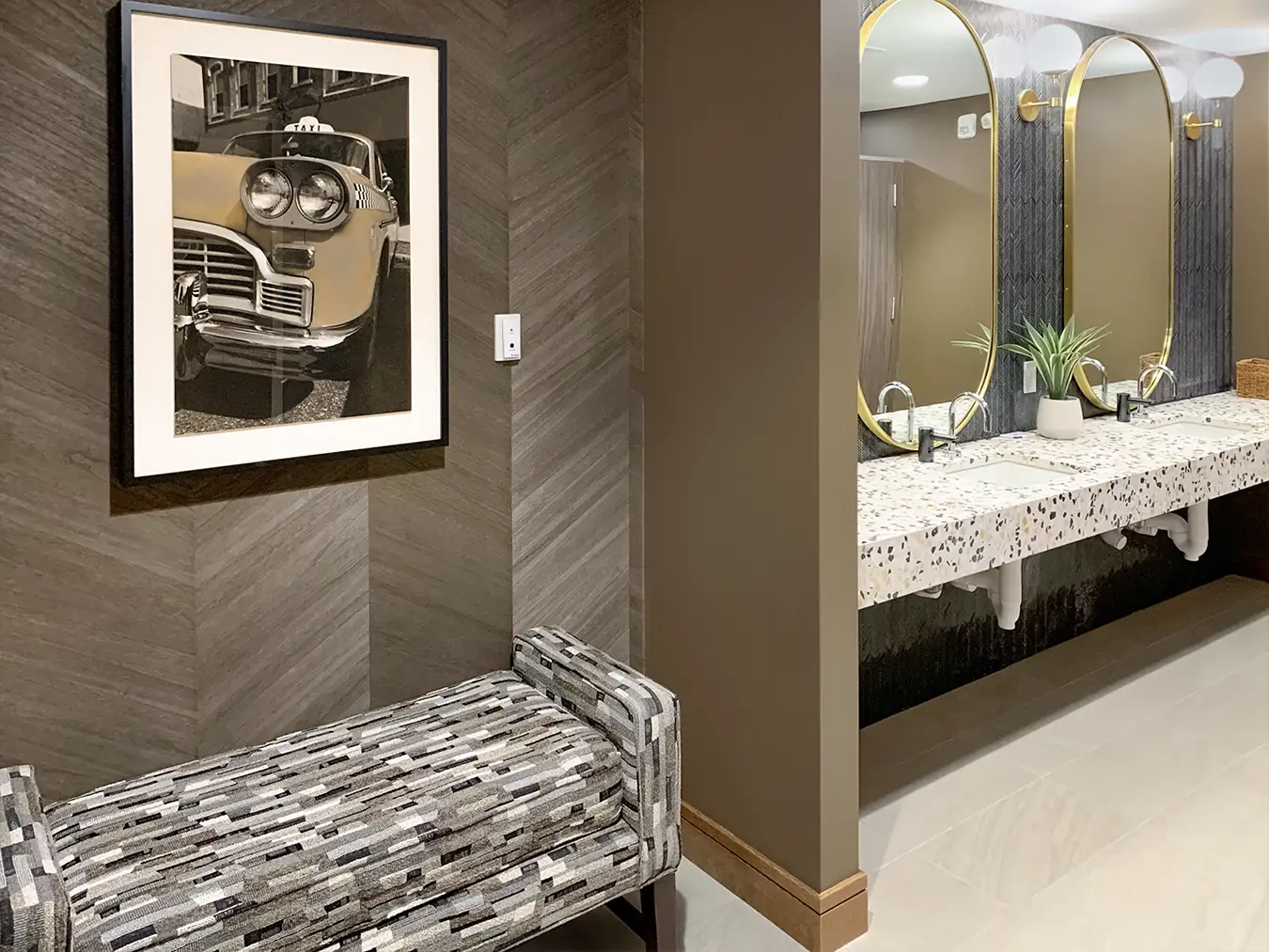
A hand-embellished framed photograph captures the profile of a Checker Cab, one of America’s most recognizable automobiles. Built in Kalamazoo beginning in 1923, these cabs became a familiar sight on city streets far beyond where they were made.
A Portrait of Kalamazoo
Throughout the community, Kalamazoo’s history appears in forms both recognizable and unexpected, from local institutions and musical traditions to familiar streets, craftsmanship, and industry. Each of these works translates a piece of that history into art residents encounter as part of daily life. The result is a portrait of Kalamazoo, drawn from the details that shaped it.